Why gimbals started to feel like a compromise
Gimbals are brilliant tools. We used them for years.
But they come with baggage. You are balancing a camera on a motorised stabiliser, managing weight distribution, recalibrating between setups, and always carrying the slight sense that the footage has a particular look. Smooth, yes. But sometimes smooth in a way that feels detached. Too perfect. Too disconnected from the body moving through the space.
The issue was never whether gimbals worked. They do. The issue was what they asked you to tolerate in return.
What the Ronin 4D changes
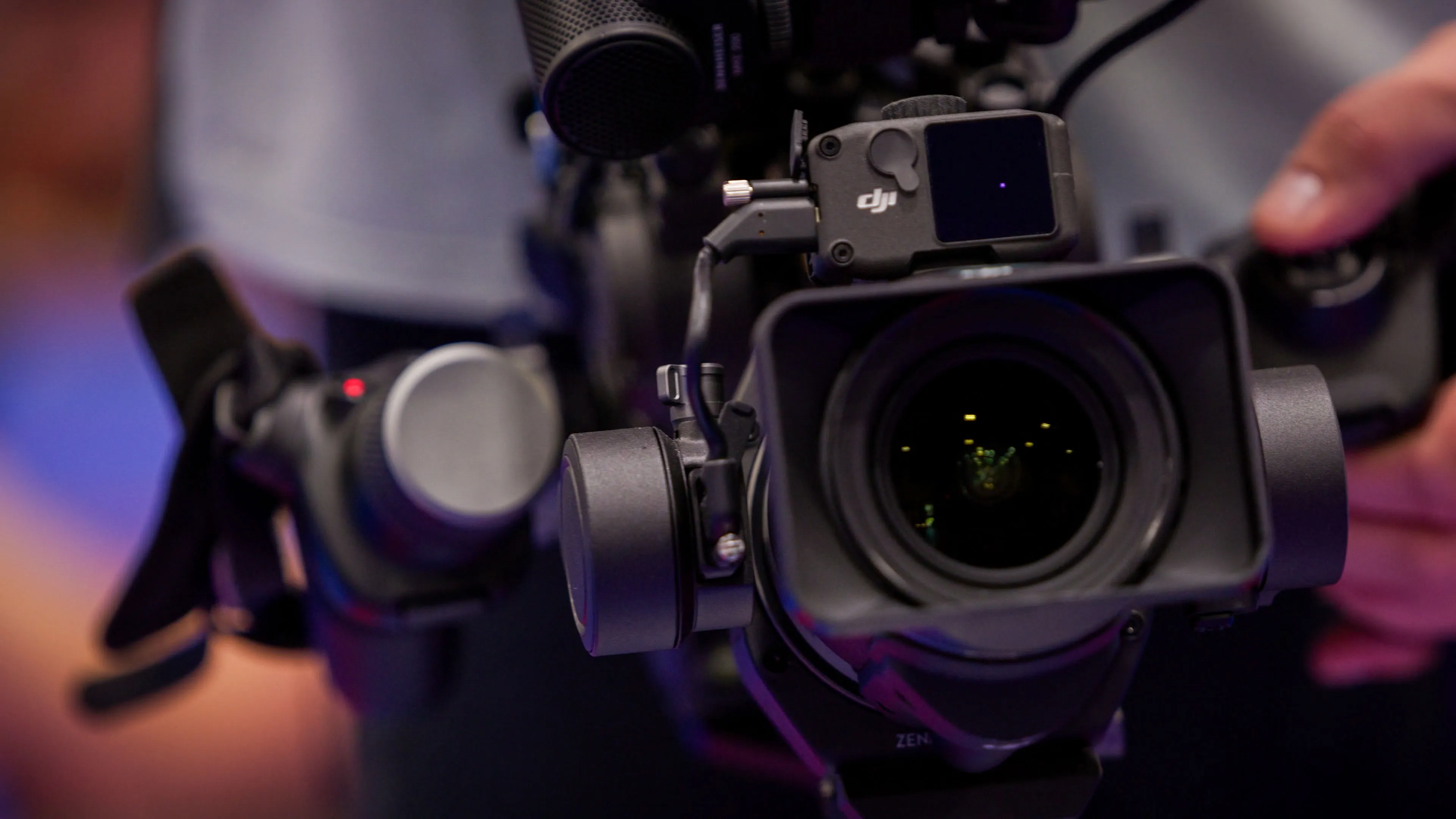
The Ronin 4D changes the equation because the stabilisation lives inside the camera.
The whole system is built around movement. Stabilisation, focus, monitoring and control sit inside one platform, rather than asking you to build the entire thing from separate parts and then fight the rig to get what you need from it.
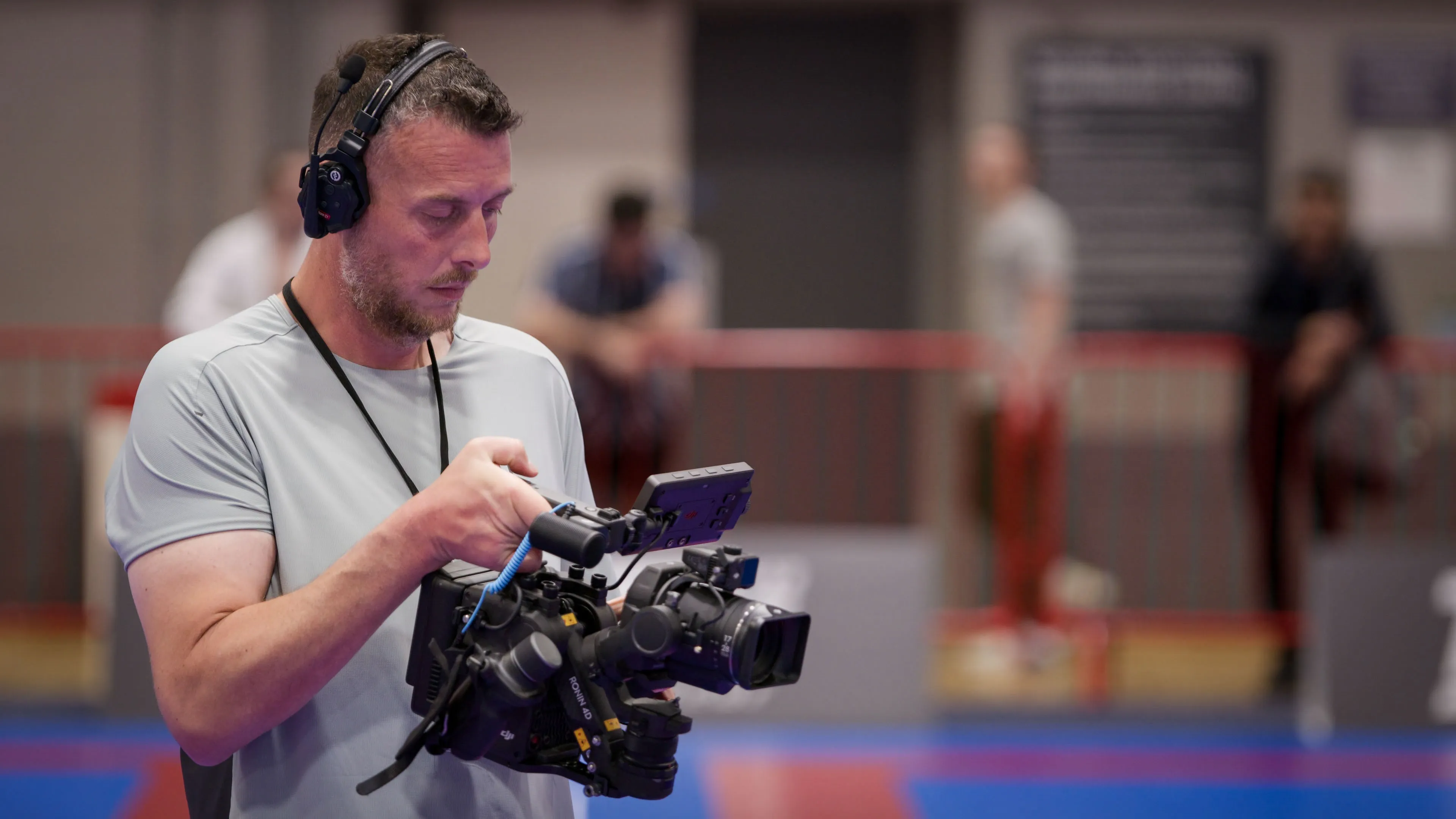
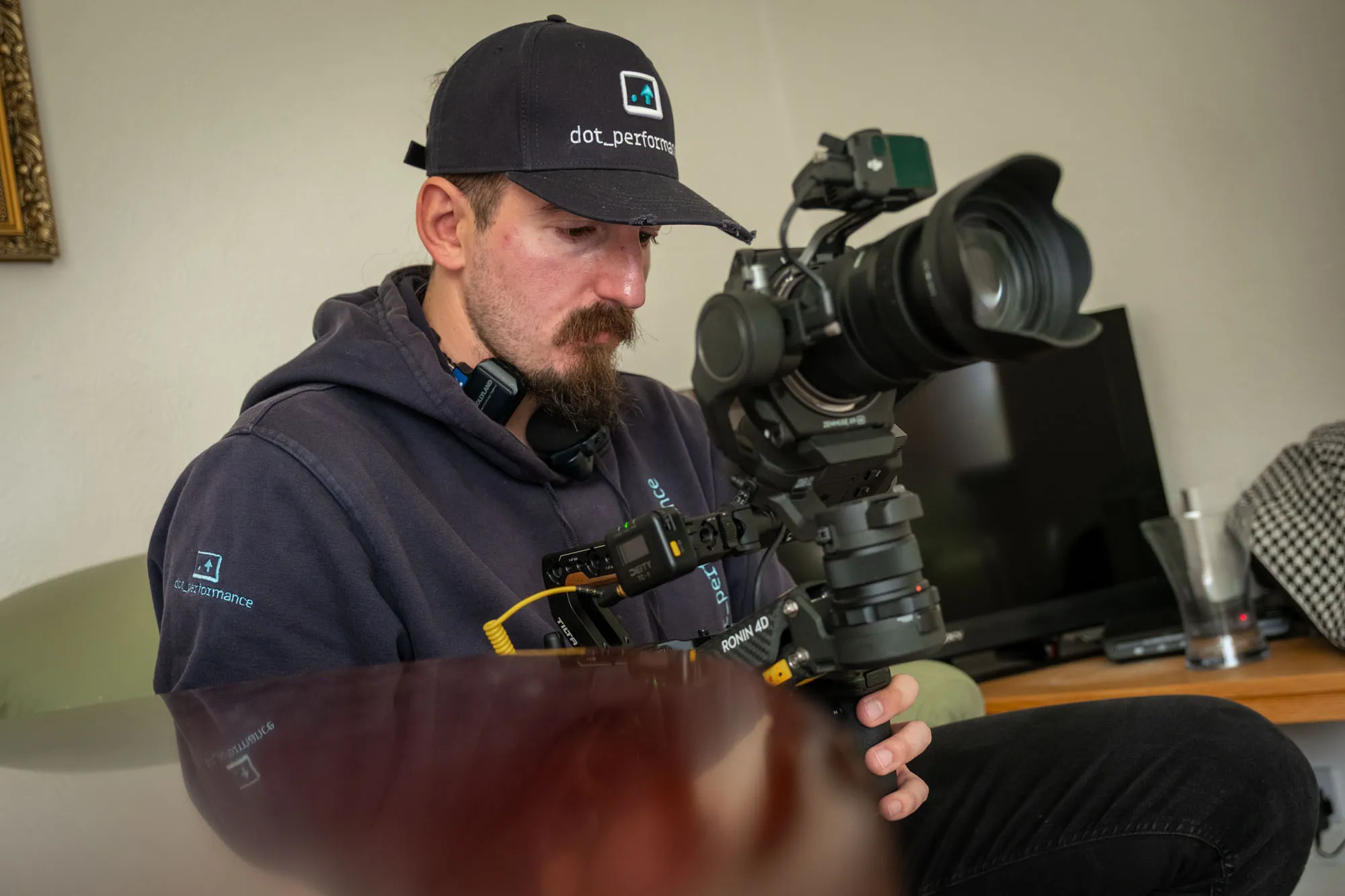
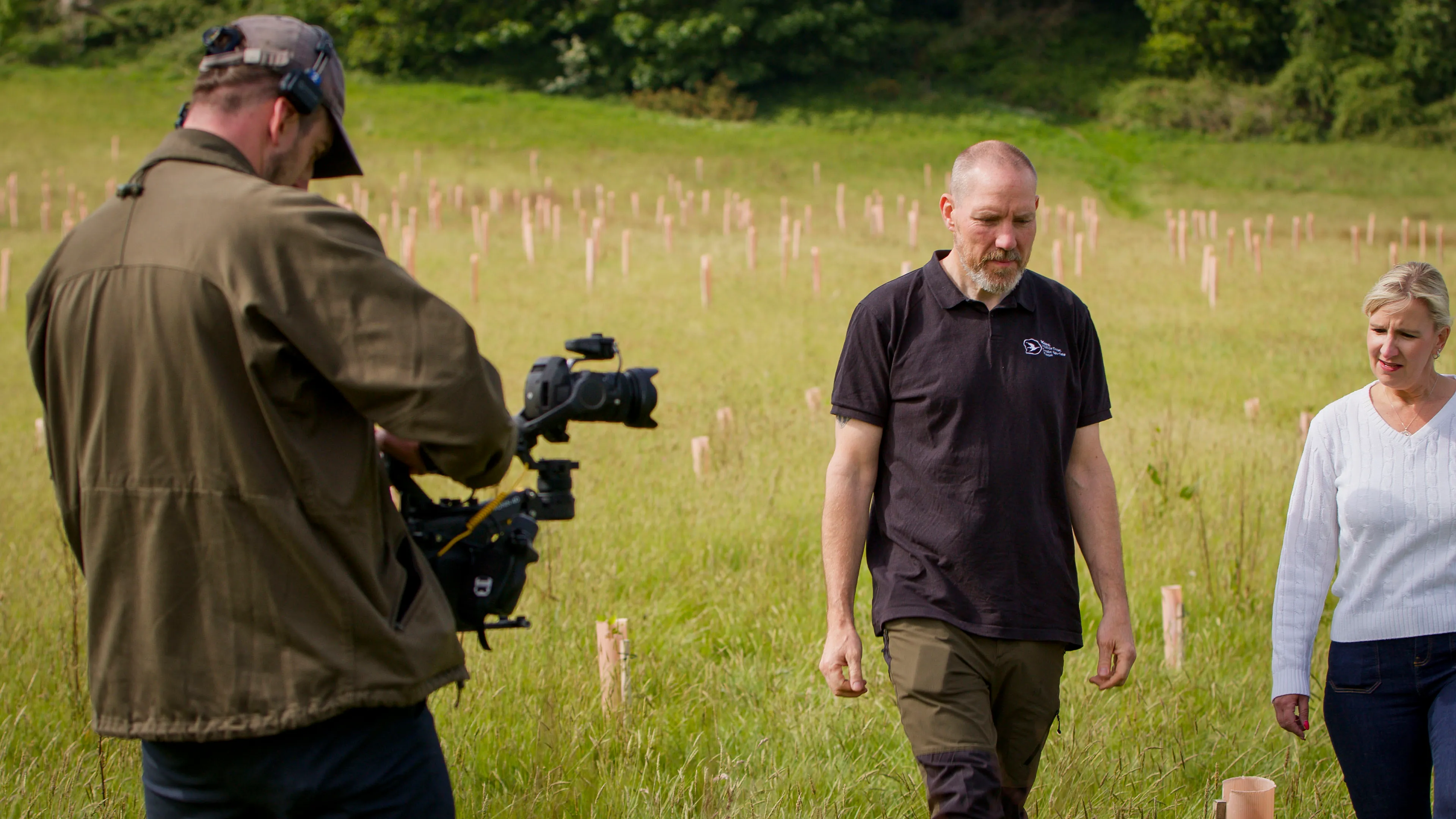
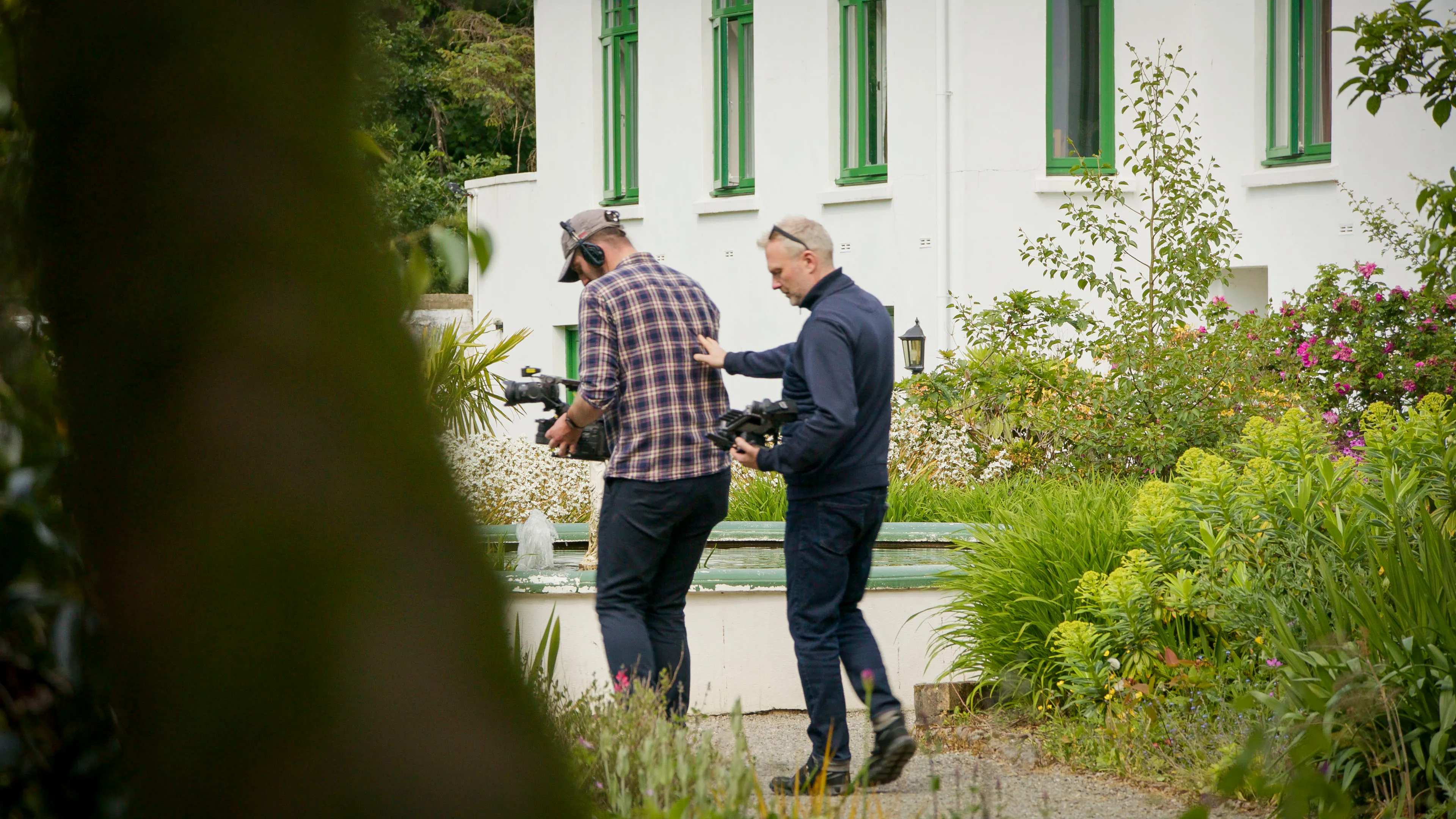
That means you do not mount the camera onto a stabiliser and then work around the setup. The camera is the stabilised system. You pick it up and move.
In practice, that changes the way you think about a shot. Movement feels more immediate. More natural. Less like an engineering exercise.
Movement without the usual friction
That shift opens up shots that used to involve far more compromise.
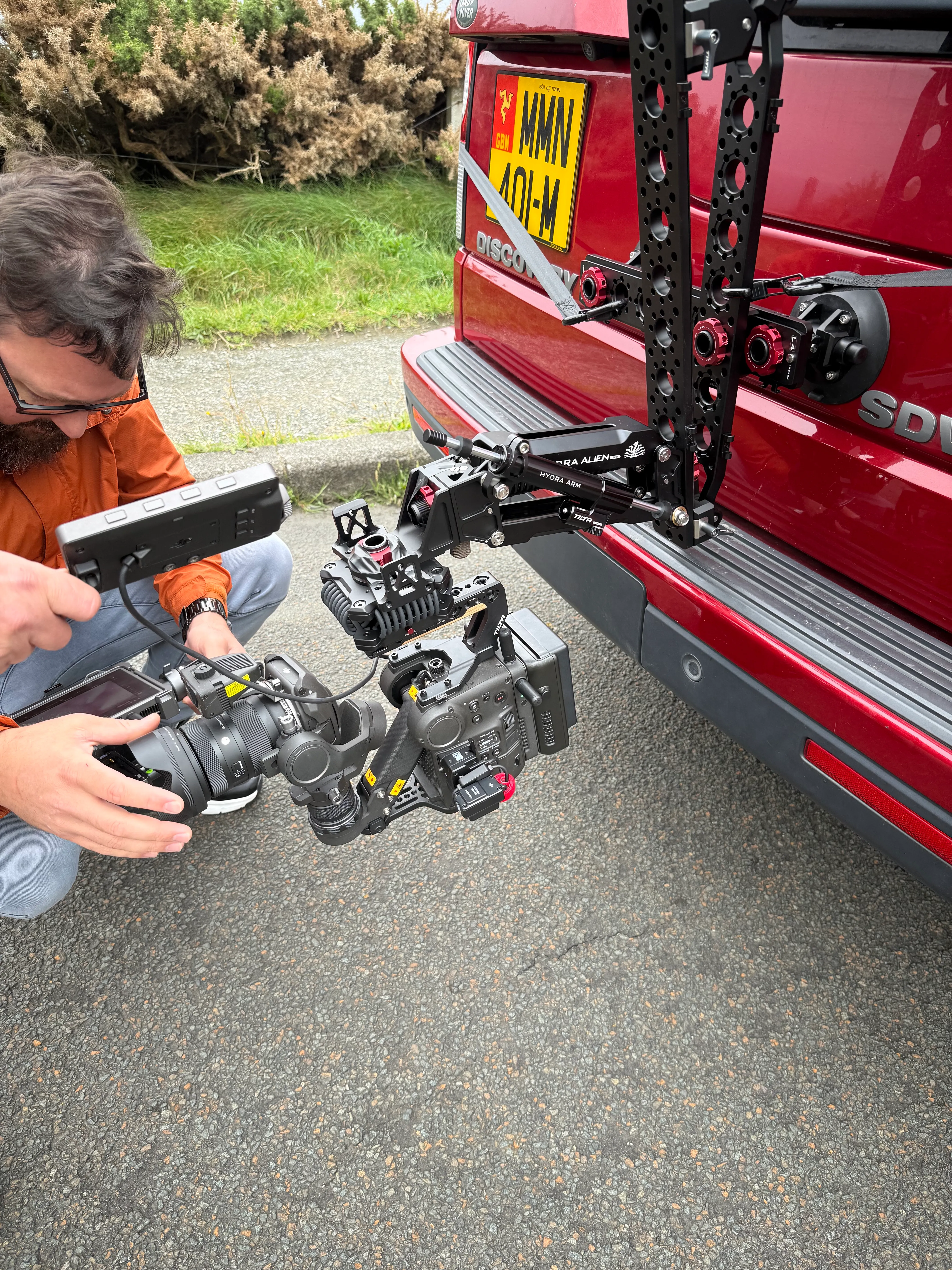
You can mount the Ronin 4D onto a vehicle rig and get tracking shots that would previously have meant a more elaborate stabilised setup. You can run it on a jib without fighting the awkwardness of hanging one stabilised system off the end of another. You can carry it through a space and get movement that feels controlled without looking sterile.
The important point is not that it removes difficulty entirely. It does not. The point is that it removes enough friction that movement becomes something you are more willing to attempt.
That has a real effect on the work.
Why the high-bright monitor matters
One of the things that makes the system genuinely useful on set is the high-bright monitor.
We use it for control as well as viewing, which means the camera can be operated at a distance without losing confidence in what is happening. That matters on busy sets, in tighter locations, and anywhere the safest or smartest place for the operator is not directly beside the camera.
It is particularly useful when the unit is mounted to the Hydra Alien arm on a vehicle. In that setup, being able to monitor and control the camera remotely is not just convenient. It is the difference between a practical rig and a safe one.
That combination gives the Ronin 4D more range than people sometimes assume. It is not just a handheld movement tool. It is a camera system that can adapt to controlled remote operation when the shot demands it.
Why the focus system matters
The focus system is the other part that makes the Ronin 4D genuinely useful.
On movement-heavy shoots, focus is usually the thing that breaks first. You can accept a slightly imperfect move. You can accept a small shift in framing. What you cannot accept is soft focus on the frame that matters.
That is why the integrated focus tools matter so much. When the camera is in motion, dependable focus is what turns movement from risk into confidence.
That is one of the strongest things about this camera. It makes a difficult part of the job feel routine.
The 6K version still makes sense
We bought the 6K version early.
And it still holds up. The files are sensible to work with. The image is strong. And over the past couple of years, some of the best footage we have produced has come from that camera.
That matters more than headline comparisons. In practice, it has proven itself by being useful over and over again in real production conditions.
What it is actually like to use
The honest take is that the Ronin 4D did not just improve our movement shots.
It changed the kind of shots we were willing to attempt.
That is the real difference. Continuous movement used to involve compromise. Extra setup. Extra risk. More chances for something to drift, slip, or fail under pressure. With the Ronin 4D, a lot of that hesitation disappears. You start treating movement as part of the language of the shoot rather than an ambitious extra.
That changes what gets planned. And what gets captured.
Why this matters for brand and campaign work
For brands, the value is not simply that the camera moves smoothly.
It is that you can get more dynamic footage with less production drag.
That matters when content has to work across launches, campaigns, social cutdowns, website assets, and edits for different channels. A tool like this makes it easier to capture movement confidently, to build shots that feel more immersive, and to create footage that looks deliberate rather than improvised.
In practical terms, it helps with things like:
- moving product shots without heavy rigging
- walk-and-talk sequences that feel controlled
- dynamic brand film footage captured in tighter spaces
- tracking shots that would otherwise need a larger setup
- vehicle-mounted shots with safer remote monitoring and control
- more ambitious motion with less setup time
That does not just improve the look of the work. It changes what is feasible within the production.
How we use it in production
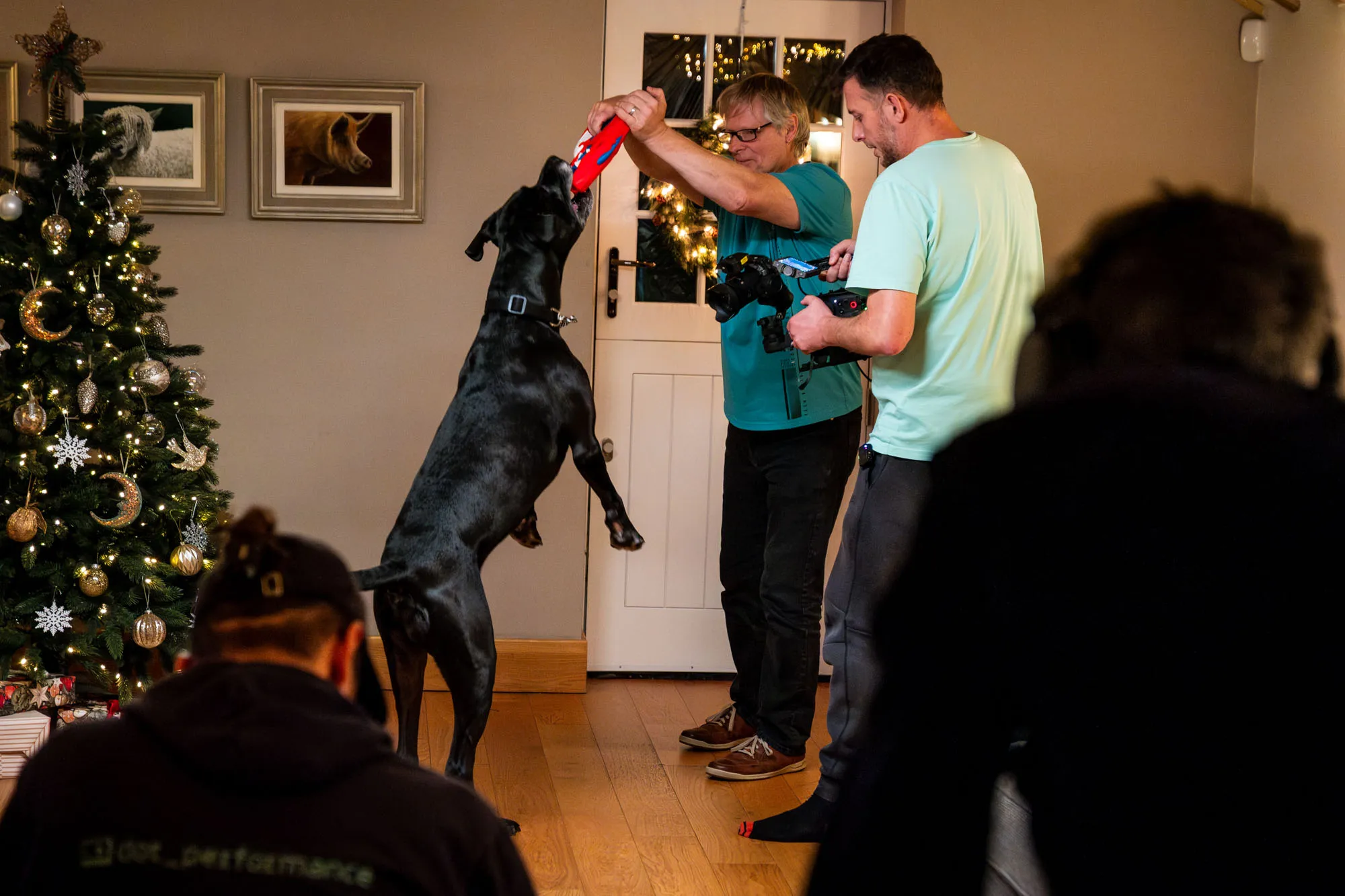
At DotPerformance, we use the Ronin 4D when a project benefits from movement being built into the capture process rather than bolted on afterwards.