FPV drone footage is everywhere now.
The move through a doorway. The dive off a building. The chase through a warehouse. It is one of the most distinctive visual languages in modern production, and when it is done well it adds a perspective that almost nothing else can.
But the problem usually starts when the footage reaches post.
A lot of FPV work is still shot on GoPros. That makes sense on paper. They are small, light and relatively cheap to crash. For certain jobs, that is enough.
But if the shot needs to sit inside a wider commercial production, the limits show up quickly.
Why GoPro footage breaks under pressure
The issue is not whether GoPro footage can look exciting.
It can.
The issue is whether it can hold up next to cinema camera footage once the grade starts. That is where it usually struggles. The image feels deeply digital. Dynamic range is limited. Highlights clip hard. Shadows get noisy. Push the footage too far and it starts to fall apart.
That is manageable when the FPV shot lives on its own.
It is much less manageable when it needs to sit alongside carefully shot brand film footage and feel like part of the same piece.
That is where the compromise becomes obvious.
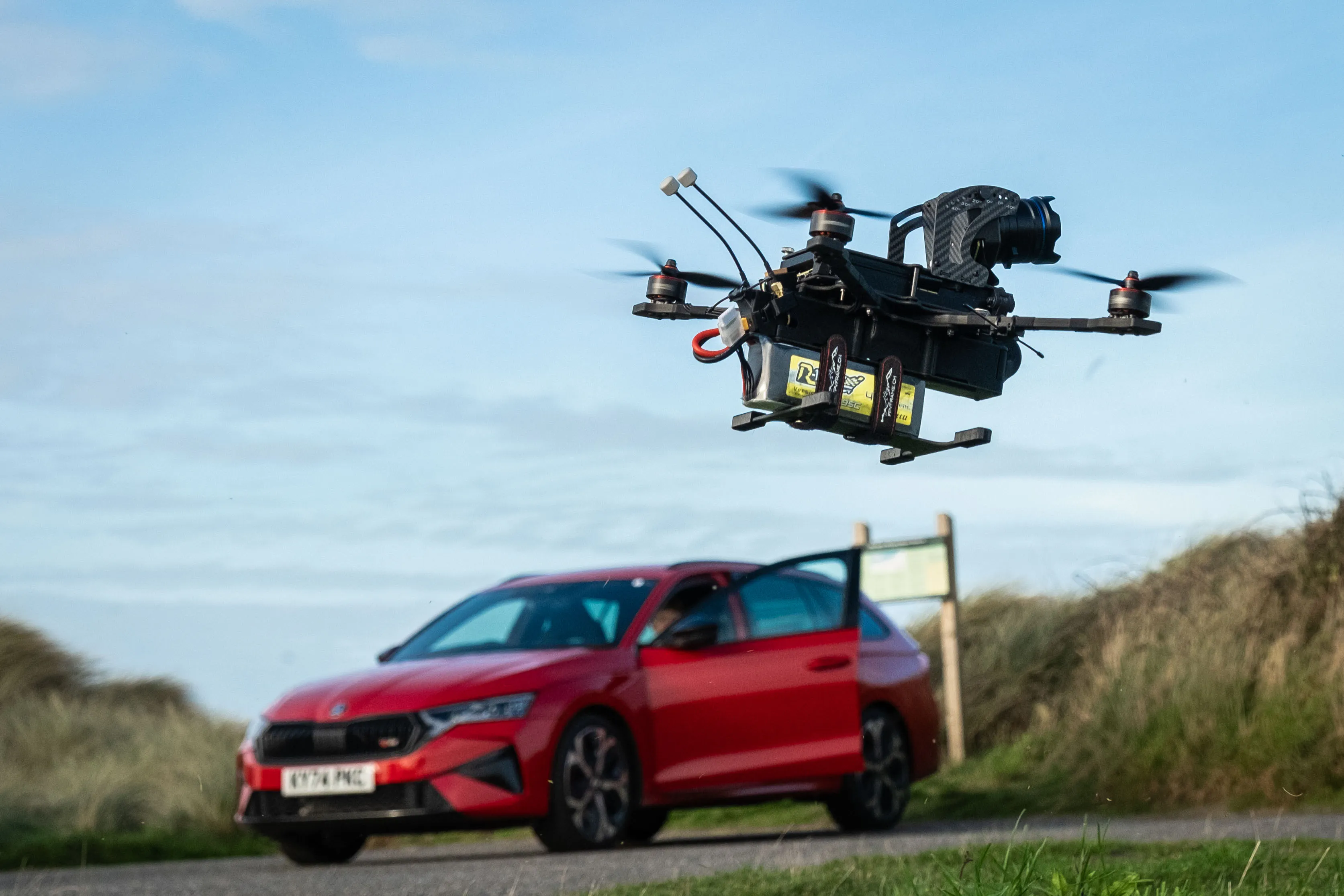
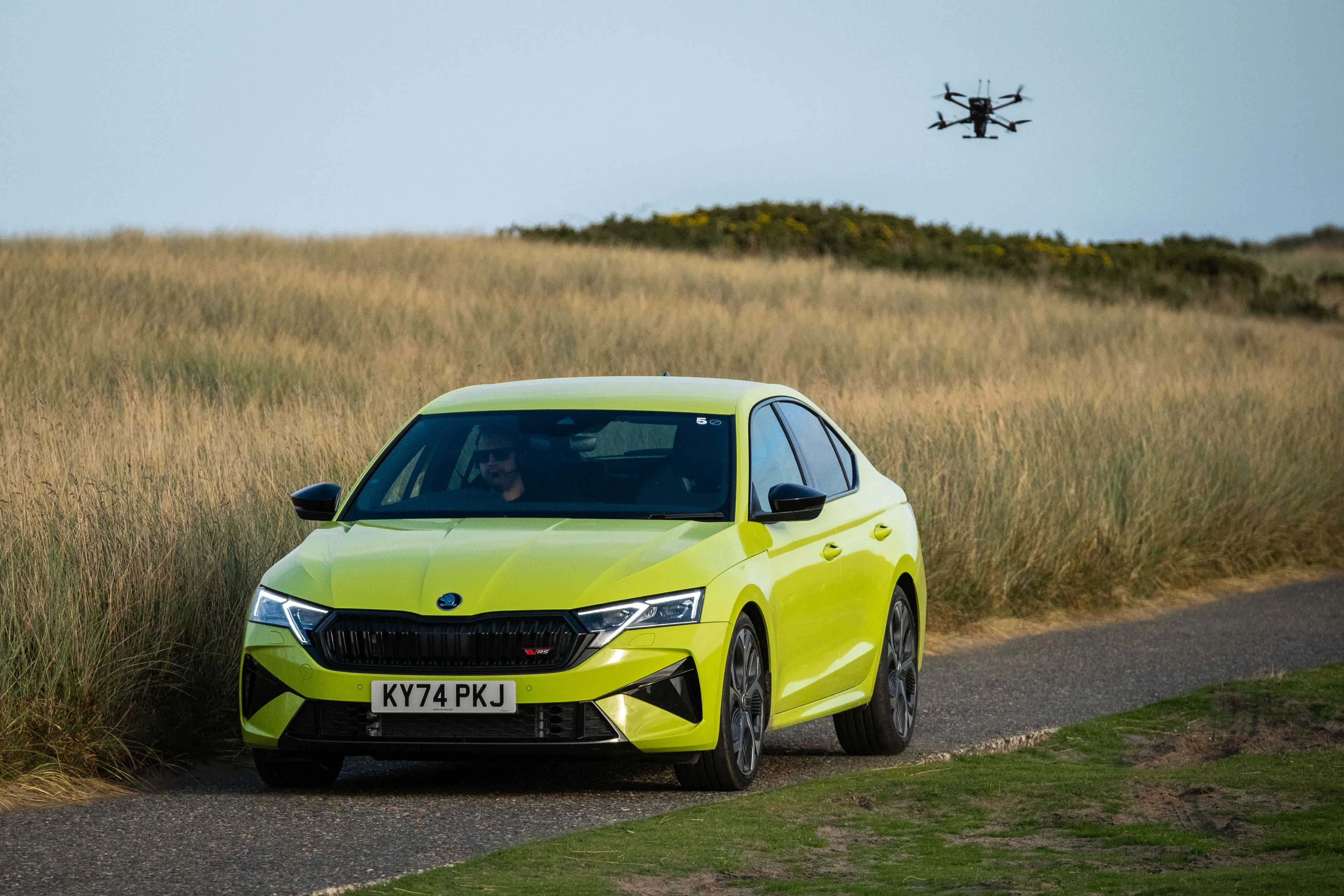
Why we fly cinelifters
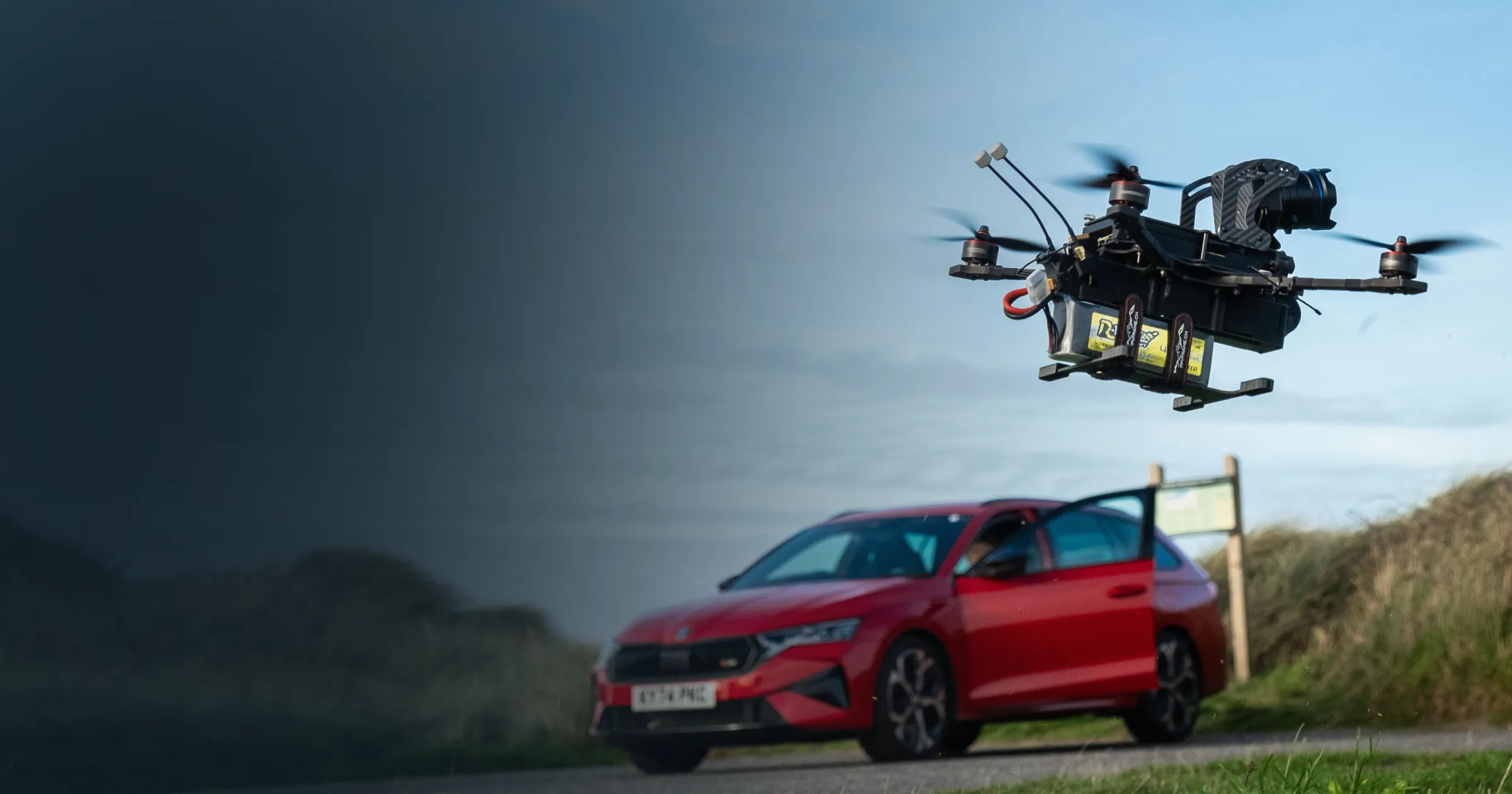
That is why we fly cinelifters.
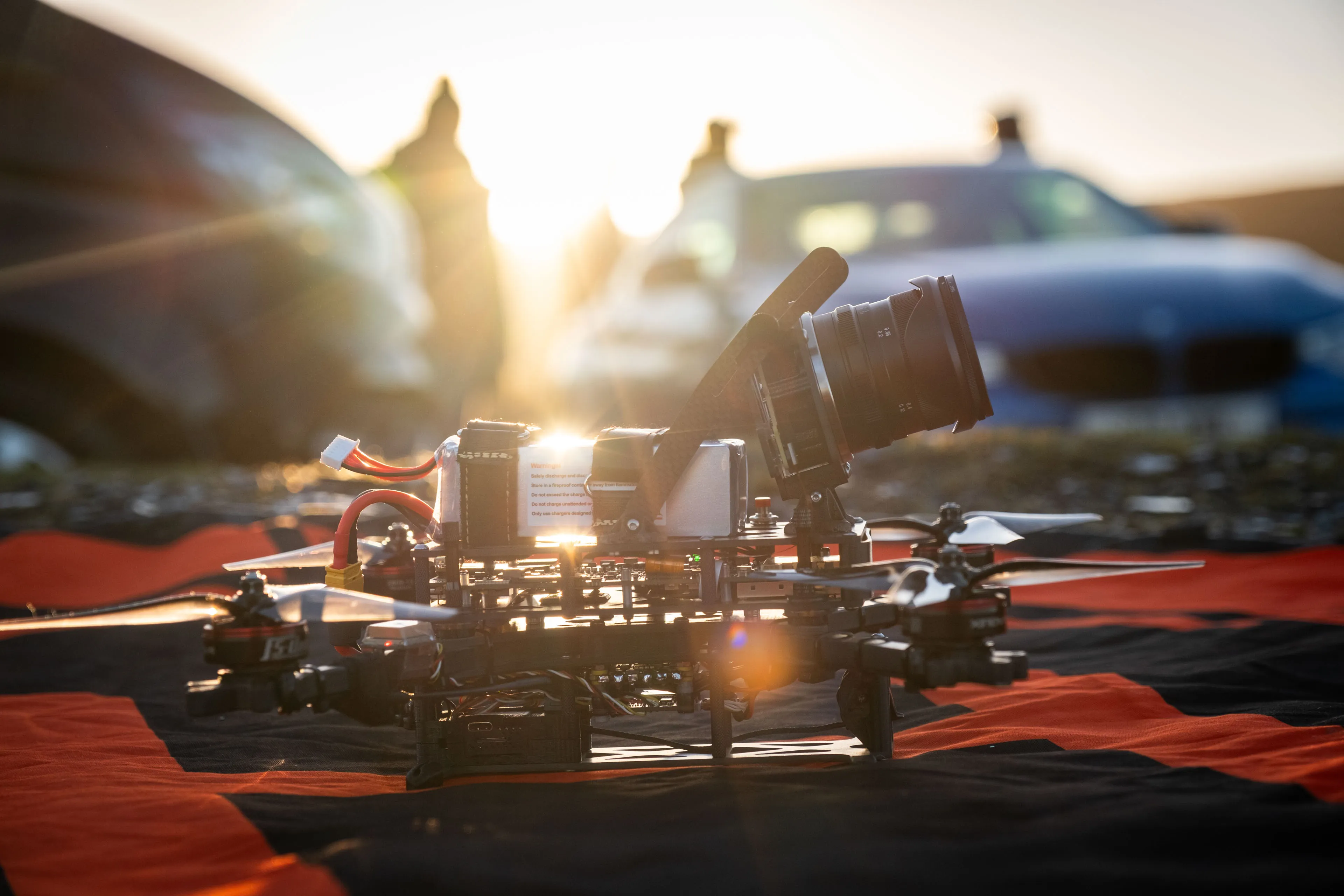
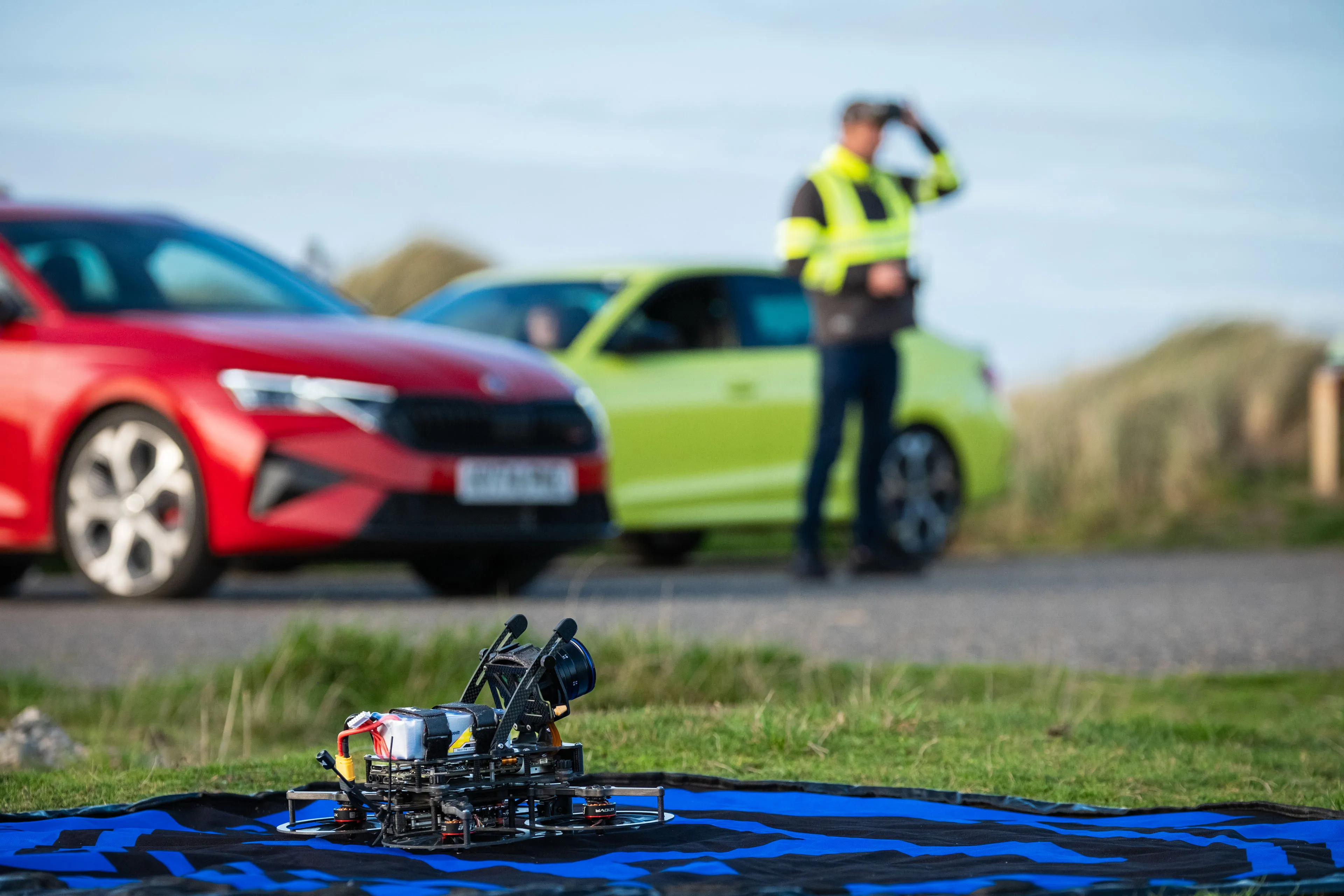
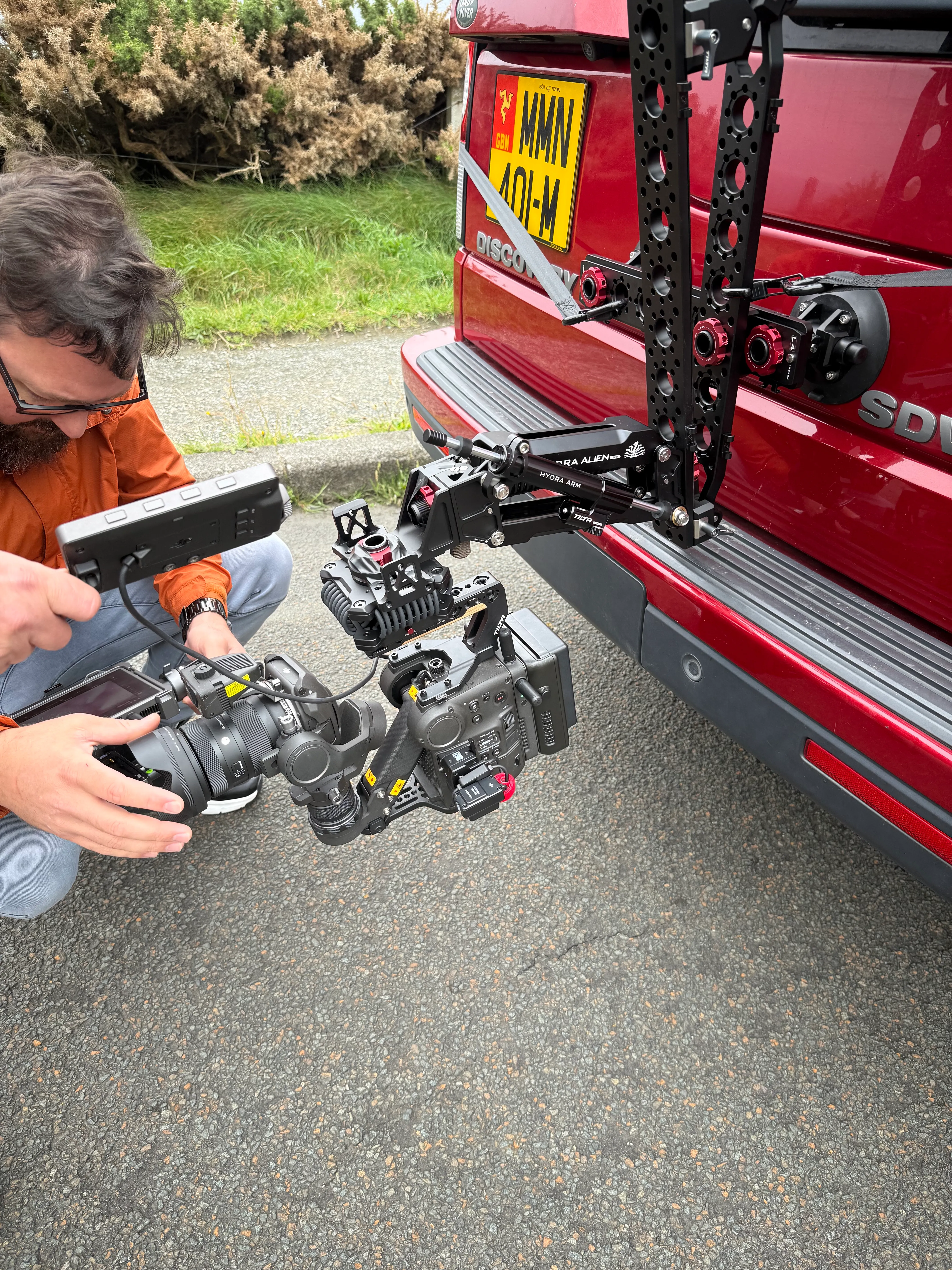
A cinelifter is a larger FPV platform built to carry a proper cinema camera rather than a lightweight action camera. For us, that means flying a naked Blackmagic Pocket 4K, Blackmagic Pocket 6K or RED Komodo depending on the shoot.
Those are the same cameras we use on the ground.
Same sensor family. Same colour science. Same file structure. Same grading pipeline.
That changes everything.
The footage does not need to be rescued in post. It already belongs to the production.
What changes in the final image
The difference is not subtle.
Skin tones hold together. Highlights roll off properly instead of clipping. Shadows retain detail. The footage responds to grading like actual production footage rather than compressed action-camera material being pushed beyond what it was built for.
That matters because the FPV shot stops feeling like a separate visual gimmick.
It becomes part of the film.
That is the real advantage. Not just the move itself, but the fact that the move can live inside a high-end piece of work without looking like it came from somewhere else.
A different kind of flying
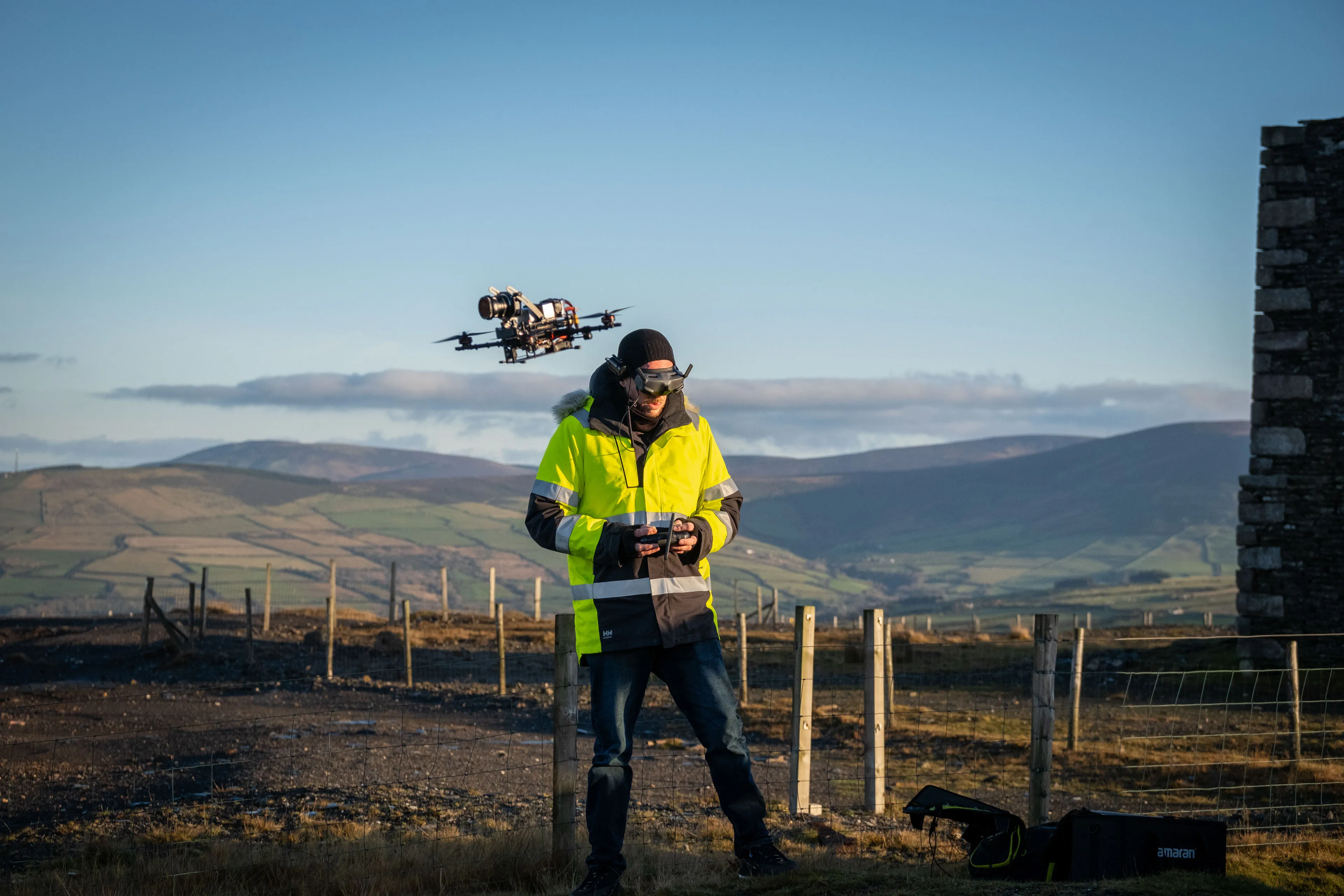
Flying a cinelifter is a different discipline to flying a GoPro quad.
The aircraft is heavier. The margins are tighter. The consequences of getting it wrong are more expensive. It takes proper training, constant practice and a level of care that goes far beyond recreational drone flying.
This is not a hobby setup.
It is a specialist production tool, and it needs to be treated that way.
Why indoor FPV is where the skill shows
We fly indoors and outdoors.
Indoor FPV is where the real skill tends to show. There is no GPS lock, no automated safety net and no room for hesitation. Everything is manual. The pilot is reading the space, judging proximity and committing to lines in real time.
That is what makes indoor FPV so demanding.
It is also what makes it so effective when it is done well. The shot feels immediate, fluid and immersive in a way that very few other camera systems can match.
It is one of the most exhilarating parts of production and one of the most unforgiving.
Why licensing matters
Commercial FPV work is not just a question of piloting ability.
It also requires the right legal and operational framework around it.
We are licensed CAA pilots on the Isle of Man and hold equivalent qualifications in the UK and EU. That matters because commercial FPV flying needs proper authorisation, risk assessment and insurance, especially when the work is happening in live production environments.
Being fully licensed means we can operate legally and properly across those jurisdictions without unnecessary delays.
Why this matters for brand and campaign work
For brands, the value of FPV is not just spectacle.
It is perspective.
FPV lets you move through a space, product or environment in a way that static cameras, cranes and conventional drones cannot. It can make a sequence feel immersive, kinetic and immediate.
But if the image quality does not hold up, the effect is short-lived.
That is why cinelifters matter for commercial production. They give you the movement language of FPV with image quality that can actually sit inside a brand film, commercial or campaign without weakening the rest of the piece.
The shot becomes usable, not just exciting.
How we use it in production
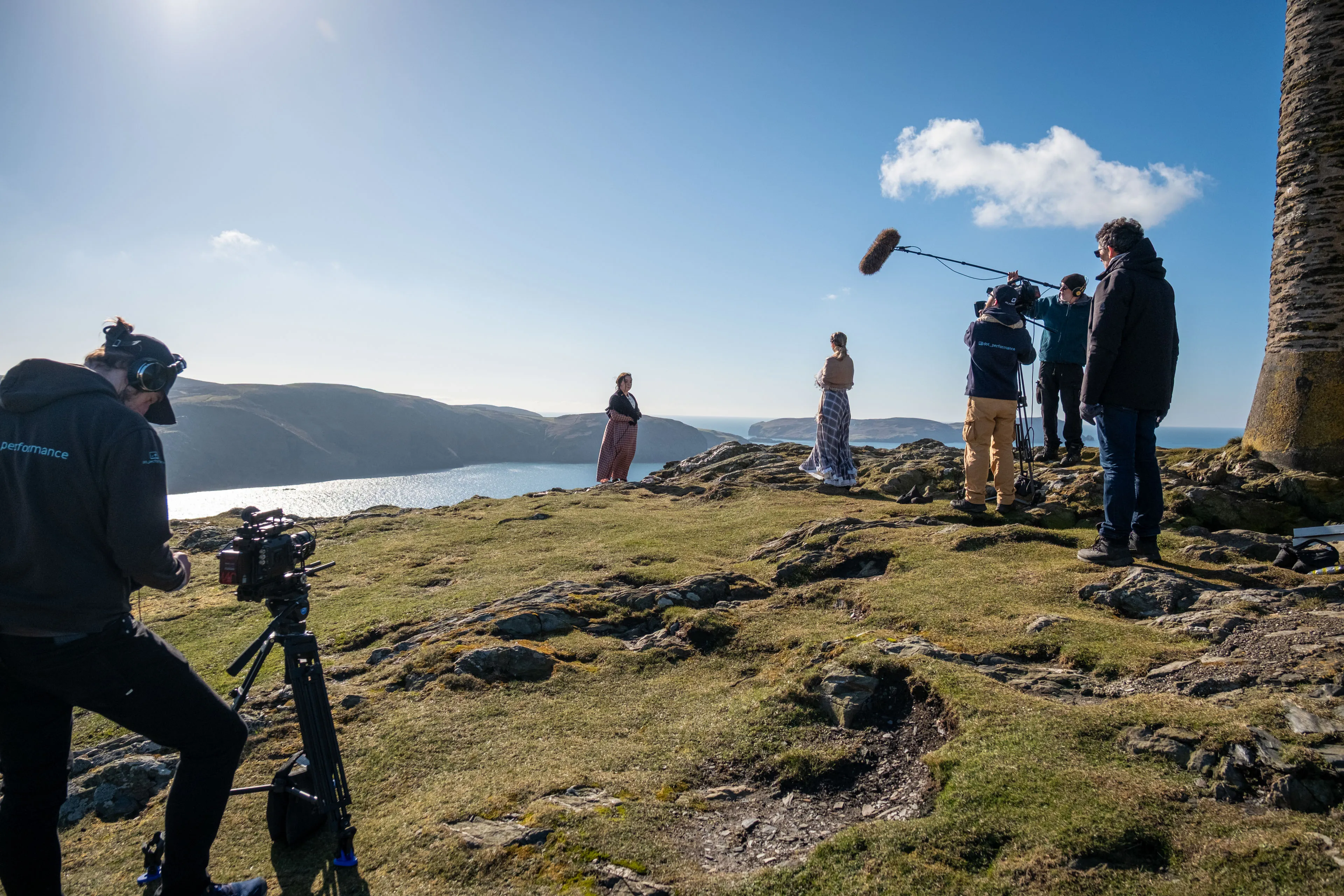
At DotPerformance, we use FPV cinelifters when a project needs movement that feels impossible to fake and image quality that does not compromise the wider film.
That might be a move through a building, a dynamic product reveal, a flight through a live environment or a sequence that needs to connect spaces in one continuous shot.
Because we are flying cinema cameras rather than action cameras, the result integrates cleanly with the rest of the production. The footage grades properly, matches properly and holds up properly.
That means the perspective can be ambitious without the image becoming the weak point.
Final thought
GoPro FPV opened the door to a whole style of footage that changed what audiences expect.
But for serious production, opening the door is not the same as finishing the job.
If the FPV shot is going into a brand film, a commercial or anything that needs to grade consistently, image quality matters just as much as the movement itself.
That is what cinelifters solve.
Same cameras. Same quality. Different perspective.
Planning an FPV shoot?
If you are planning a brand film, campaign or commercial project and want FPV footage that matches the rest of the production properly, get in touch.