What cinematic storytelling actually means
When people hear the word cinematic, they often think about cameras, lenses, colour grading or slow motion. Those things can help, but they are not the foundation.
Cinematic storytelling is about structure, perspective, rhythm and emotional control. It is about deciding what the audience should feel, when they should feel it, and how the story should unfold visually rather than verbally.
That means asking different questions at the start. What is the tension in this story? Whose point of view are we following? What should the audience understand without being told directly? What should be revealed, and when?
That is where cinematic work begins.
Why most brand videos feel flat
A lot of brand videos feel flat because they start from messaging. The script is built around key points, proof points and things the organisation wants to say about itself. The result may be accurate, but it often feels assembled rather than told.
Cinema works differently. It starts with people, stakes, place, movement and tone. Information still matters, but it is carried by the story rather than delivered on top of it.
An audience will sit with a story much longer than it will sit with an explanation.
Why this matters for brands
A strong brand film does not just describe an organisation. It shifts how people think about it.
When cinematic principles are used properly, the audience comes away with a stronger impression of the brand's character, ambition, credibility or relevance. The work creates feeling first, and understanding follows from that.
That is why brand film is different from a corporate video. It is not there to list services. It is there to shape perception.
The role of framing and composition
One of the simplest cinematic tools is framing.
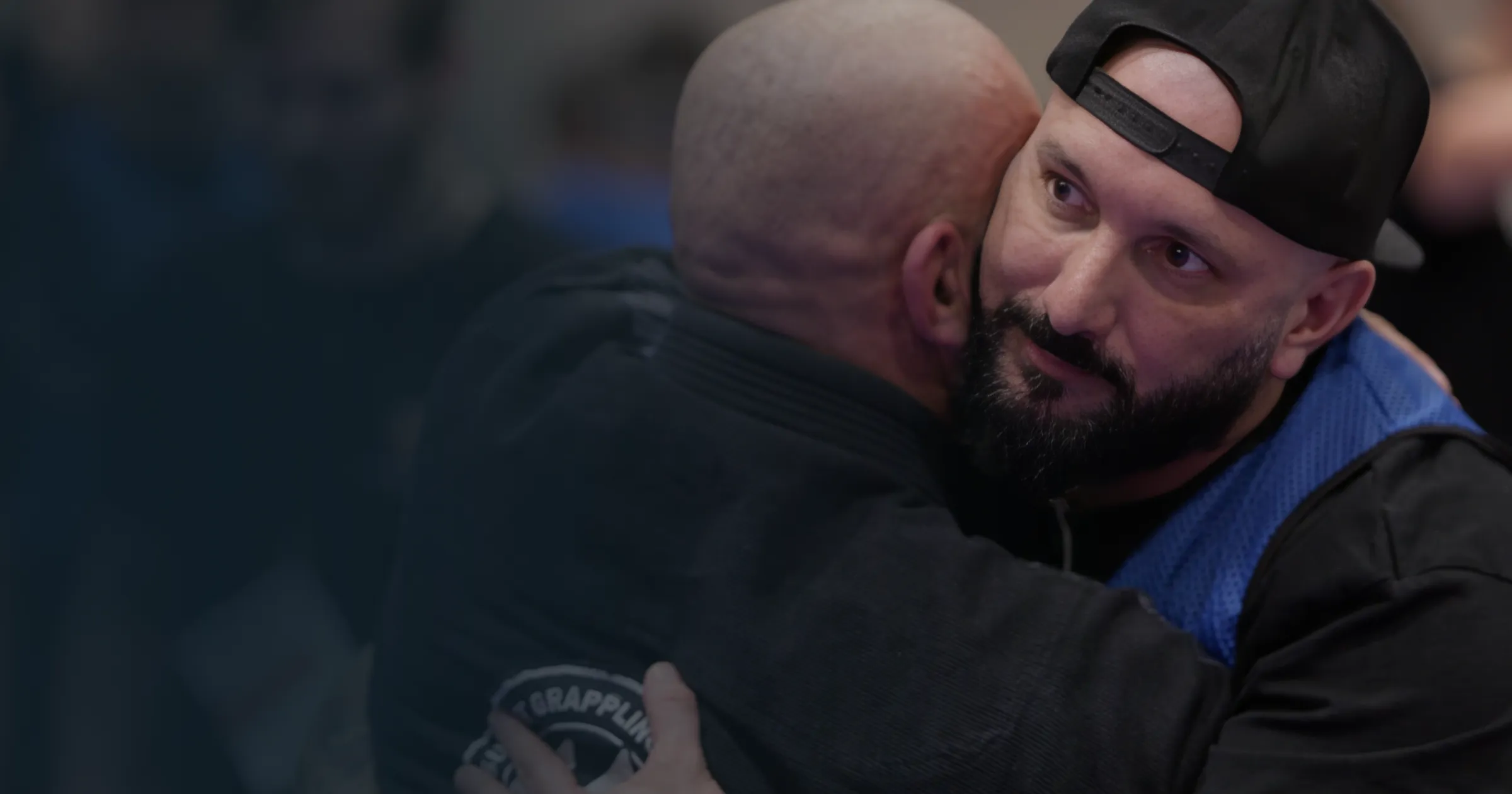
Where the camera sits changes the meaning of the scene. A wide frame can make a subject feel small, ambitious or isolated. A close frame can create intimacy, tension or authority. A carefully composed shot can communicate control and confidence before anybody says a word.
The audience is not just listening to what is said. They are reading the visual language around it. They are deciding whether this feels considered, credible and worth their attention. The frame is already telling them something.
Lighting as part of the story
In weaker brand videos, lighting is treated as a technical problem to solve. In stronger work, it becomes part of the story.
Soft natural light can suggest honesty or warmth. More directional light can create focus, drama or precision. Contrast can add seriousness. Texture can make a space feel lived in rather than staged.
Good lighting is not there to make people look expensive. It is there to support the emotional tone of the film.
Movement, pace and rhythm
Cinematic storytelling depends on rhythm. That includes camera movement, but it also includes the movement of the edit, the space between lines, the time given to a face, and the decision to hold on a moment instead of rushing to the next point.
A lot of branded video is cut too fast because it does not trust the material. Cinema tends to do the opposite. It creates rhythm with intention. It gives a moment enough space to land.
That is what makes a film feel confident.
How story should lead production
The most important shift is this. The story should decide the production approach, not the other way round.
If the story needs intimacy, the camera language should support intimacy. If it needs scale, the production should create scale. If it needs credibility, the environments, performances and visual treatment all need to align around that.
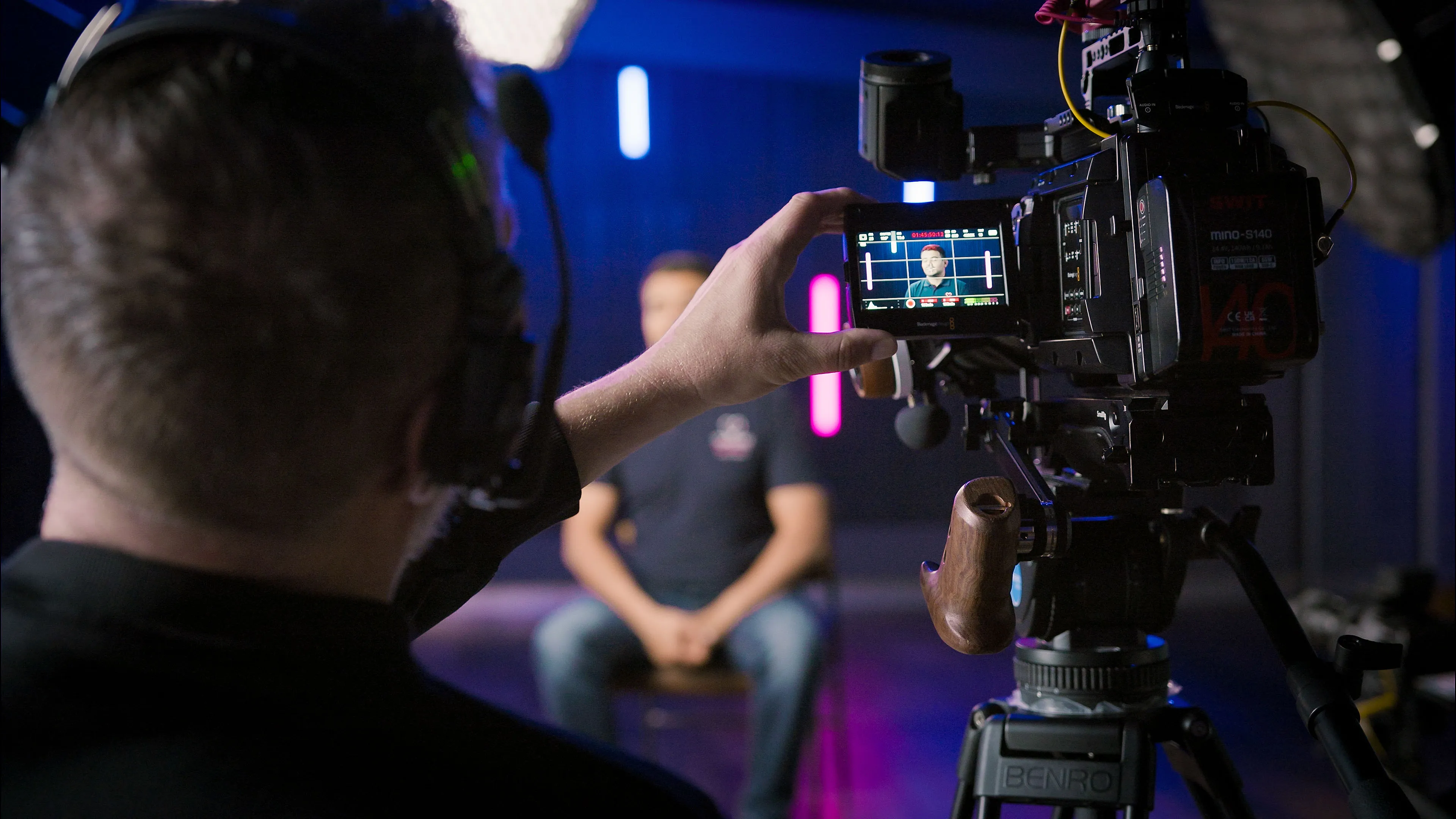
This is where cinematic principles become practical rather than theoretical. They affect scripting, shot design, casting, location choices, lighting, sound, edit structure and music. Everything.
That is why strong brand films feel coherent. Every decision is serving the same emotional outcome.
How we think about it
The aim is not to make brands look like films for the sake of it. It is to use cinematic principles to make the story land properly.
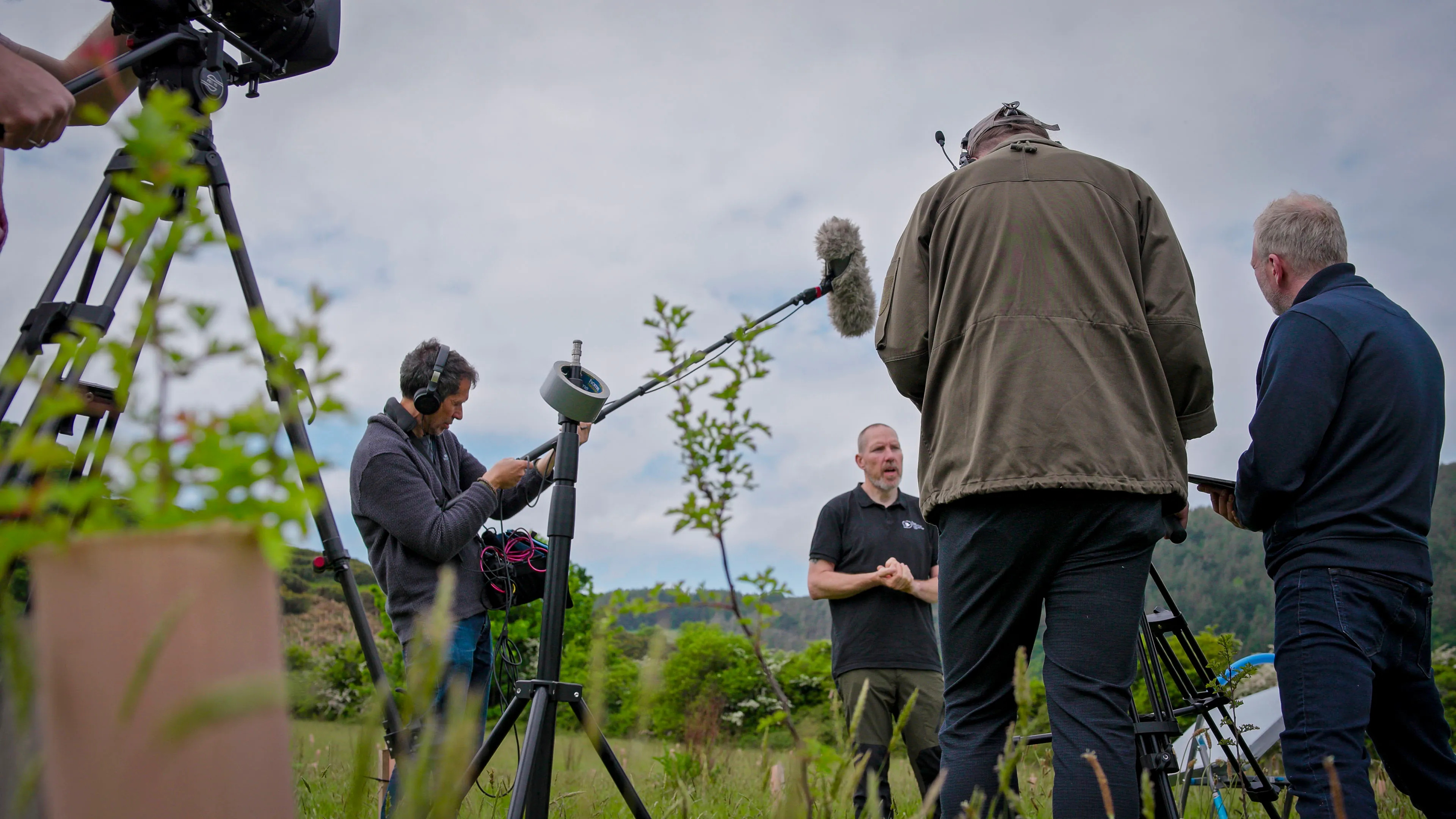
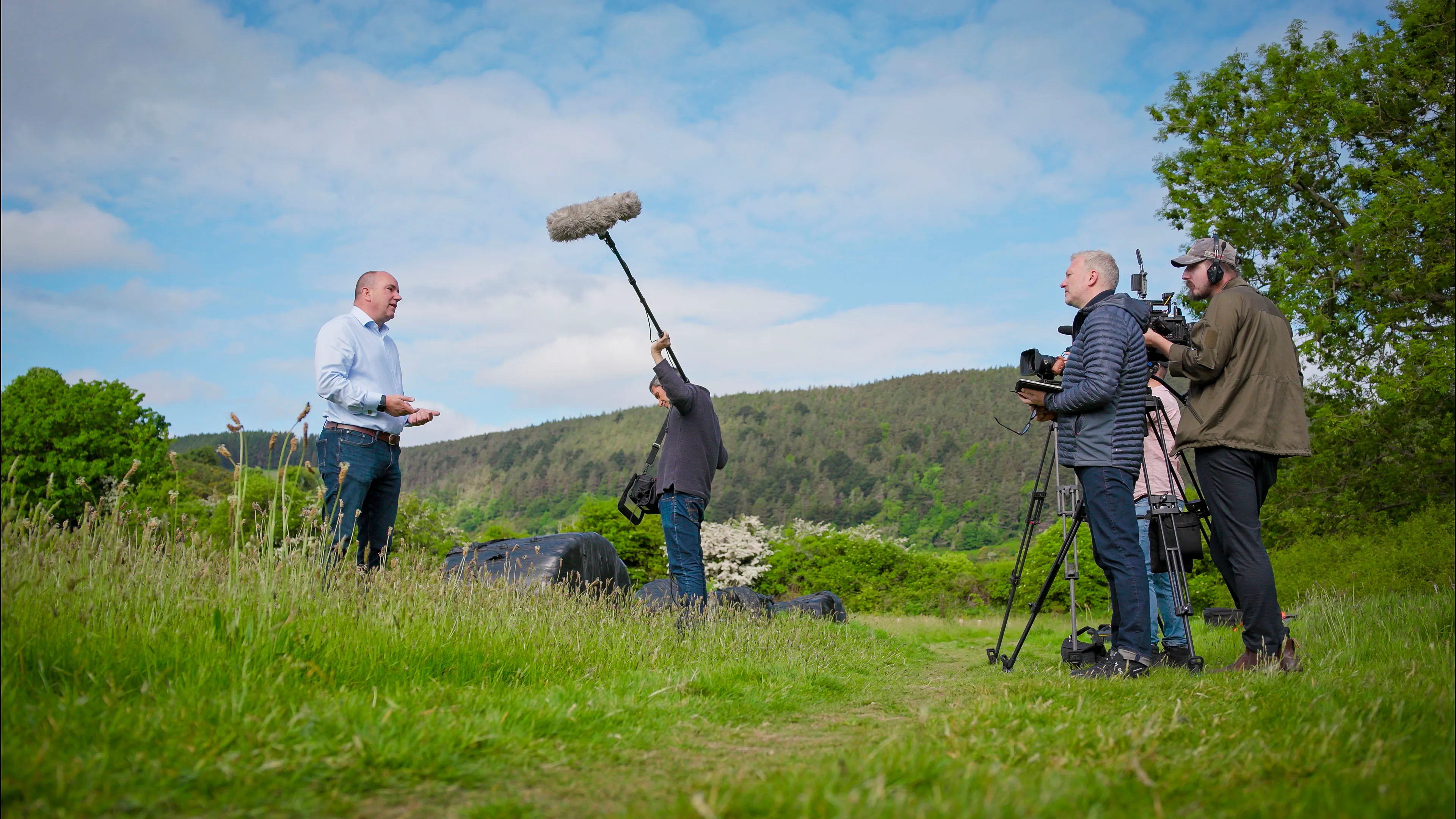
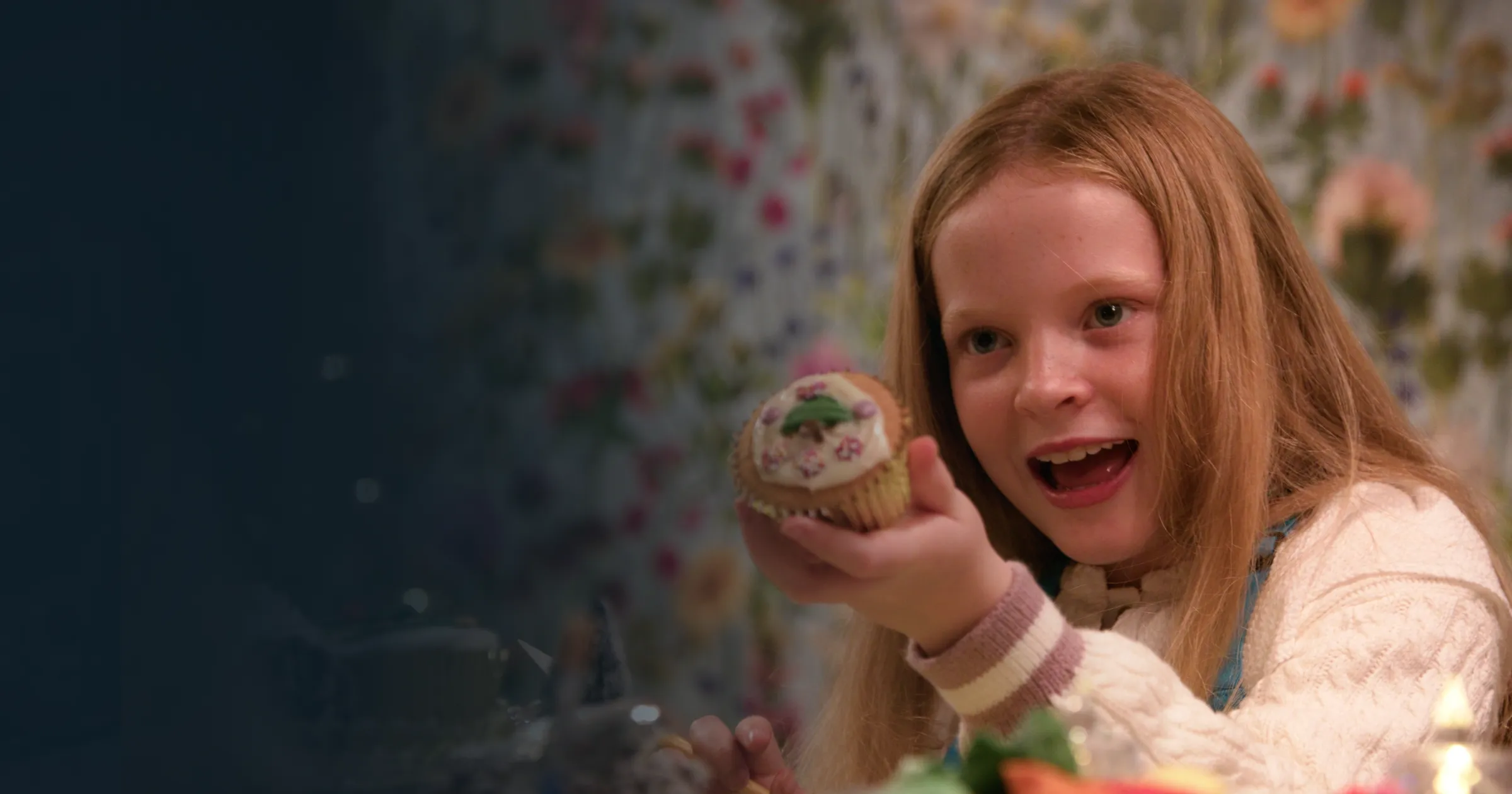
That means starting with the shift we want the audience to feel, then building the production around that. Sometimes that leads to a scripted brand film. Sometimes a documentary approach. Sometimes an interview-led structure. The form depends on the story.
But the principle stays the same. The film should do more than document what an organisation does. It should change how people see it.
That is the standard worth aiming for.
Final thought
The word cinematic gets overused because people often use it to describe surface qualities. The real value of cinematic thinking is not in the look. It is in the effect.
It helps a brand story hold attention, create feeling and leave a stronger impression than straightforward content ever could.
That is why some films stay with you and others disappear the moment they end.
Planning a brand film?
If you are planning a brand film and want to create something that shifts perception, not just documents what you do, get in touch.